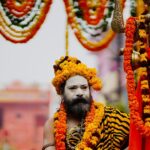
Daily Routine of Kalpvas During Magh Mela , For one month each year, thousands of devoted Kalpvasis transform the banks of the Sangam in Prayagraj into a living tapestry of spiritual discipline. Their daily routine, unchanged for centuries, represents one of Hinduism’s most rigorous spiritual practices. This ancient schedule, beginning before dawn and structured around prayer, ritual bathing, and meditation, offers a glimpse into a life completely dedicated to spiritual pursuits.
The Pre-Dawn Hours: 3:00 AM – 6:00 AM
The Sacred Awakening (3:00 – 4:00 AM)
Daily Routine of Kalpvas During Magh Mela , The Kalpvasi’s day begins in the darkness before dawn, typically around 3:00 or 4:00 AM. This early rising, known as Brahma Muhurta (the creator’s hour), is considered the most auspicious time for spiritual practices when the atmosphere is charged with sattvic (pure) energy. As temple bells and conch shells pierce the silence, Kalpvasis emerge from their simple tents and shelters.
The first act upon waking is offering prayers of gratitude and setting spiritual intentions for the day. Many devotees perform their morning ablutions with minimal water, preparing themselves mentally and physically for the sacred bath ahead. Some engage in brief pranayama (breathing exercises) to invigorate the body and calm the mind.
Preparation and Journey to Sangam (4:00 – 5:00 AM)
Kalpvasis gather their essentials—a simple cotton towel, prayer items, and a small container for Ganga water to take back to camp. Dressed in simple traditional attire, often just a dhoti for men and saree for women, they join the stream of fellow pilgrims making their way toward the holy confluence.
The walk to the Sangam in the pre-dawn darkness is a meditation in itself. The cold January air bites at exposed skin, testing the devotee’s resolve. Pathways are lit by temporary streetlights and the glow of oil lamps. The atmosphere buzzes with chants of “Har Har Gange” and “Jai Ganga Maiya” as thousands move with singular purpose toward the sacred waters.
The Sacred Bath (5:00 – 6:00 AM)
The centerpiece of the Kalpvasi’s day—and indeed the entire practice—is the ritual bath at the Sangam before sunrise. This is not negotiable; it must be done every single day of the month, regardless of weather, temperature, or personal comfort. The belief is that the sacred rivers at their confluence have the power to wash away sins and purify the soul, especially during these pre-dawn hours.
Kalpvasis wade into the cold water, often murmuring prayers or mantras. The winter temperature of the water, sometimes as low as 10-15°C (50-59°F), shocks the system but is embraced as part of the spiritual purification. Three ritual dips are traditional, each accompanied by specific mantras. Between immersions, devotees cup the sacred water in their palms, offering it to the rising sun and their ancestors.
After bathing, Kalpvasis perform sandhya vandana (twilight prayers) on the riverbank, facing the emerging sun. This includes recitation of the Gayatri Mantra and other Vedic hymns. Some perform surya namaskar (sun salutations) as the first rays of light touch the sacred confluence.
Morning Activities: 6:00 AM – 12:00 PM
Return and Morning Rituals (6:00 – 7:30 AM)
As the sun rises fully, Kalpvasis make their way back to their camps, carrying small vessels of Ganga water considered especially potent when collected during the holy bath. The wet clothes are changed for dry ones, and many devotees apply sacred ash or sandalwood paste on their foreheads.
Morning prayers continue at personal altars set up in tents—simple arrangements with images or idols of chosen deities, incense, and oil lamps. The puja (worship) includes offering flowers, fruits, and the freshly brought Ganga water. This personal worship time allows for intimate connection with the divine.
Scripture Study and Meditation (7:30 – 9:00 AM)
With the essential morning rituals completed, Kalpvasis settle into deeper spiritual practices. Many engage in reading sacred texts—the Bhagavad Gita is particularly popular, as are the Ramayana, various Puranas, and Upanishads. Reading is often done aloud in small groups, with discussions about the meanings and applications of verses.
Meditation sessions vary by individual practice. Some focus on breath awareness, others on mantra repetition (japa), and still others on visualization techniques. The morning hours, with the mind fresh and the camp relatively quiet, are ideal for concentrated practice. Many Kalpvasis aim for at least 108 repetitions of their chosen mantra using a mala (prayer beads).
Satsang and Spiritual Discourses (9:00 – 11:00 AM)
One of the great treasures of Kalpvas is access to learned saints, spiritual teachers, and scholars who gather at Magh Mela. Large satsang venues host religious discourses where thousands assemble to hear teachings on scriptures, philosophy, and spiritual practices. These sessions provide both knowledge and inspiration.
Kalpvasis move between different satsangs, drawn to teachers whose messages resonate with them. The atmosphere is devotional, often punctuated with bhajans (devotional songs) and kirtans (call-and-response chanting). Questions can be asked, doubts clarified, and spiritual guidance sought. For many, these interactions with enlightened souls are among the most valued aspects of Kalpvas.
Simple Breakfast (11:00 AM – 12:00 PM)
Unlike the elaborate meals of ordinary life, Kalpvasi meals are deliberately simple and sattvic. Breakfast typically consists of basic items like porridge (dalia), simple chapatis with vegetables, fruits, and tea (often herbal or with minimal milk). Some Kalpvasis observe stricter fasts, consuming only fruits and milk.
Food preparation is minimal, often done on portable stoves. Many religious organizations run community kitchens (langars) where free meals are served to all Kalpvasis. The act of eating is approached mindfully, with prayers before and after meals, and a spirit of gratitude for the nourishment provided.
Afternoon Routine: 12:00 PM – 4:00 PM
Rest and Personal Practice (12:00 – 2:00 PM)
The afternoon brings a natural lull in activity. After the intense early morning and the simple meal, Kalpvasis rest in their tents or shaded areas. However, this rest is not mere sleep—it’s often a time for japa (mantra repetition), quiet contemplation, or reading.
The midday heat (even in winter, afternoons can be moderately warm) encourages staying in shelter. Some devotees use this time to write in spiritual journals, reflecting on their experiences and insights. Others engage in seva (selfless service), helping in community kitchens or assisting elderly Kalpvasis with daily tasks.
Afternoon Sangam Visit (2:00 – 4:00 PM)
While the pre-sunrise bath is mandatory, many Kalpvasis make a second visit to the Sangam in the afternoon. This visit is more leisurely—for prayer, sitting in meditation by the riverbank, or simply absorbing the spiritual atmosphere. Some take another dip, though it’s not obligatory.
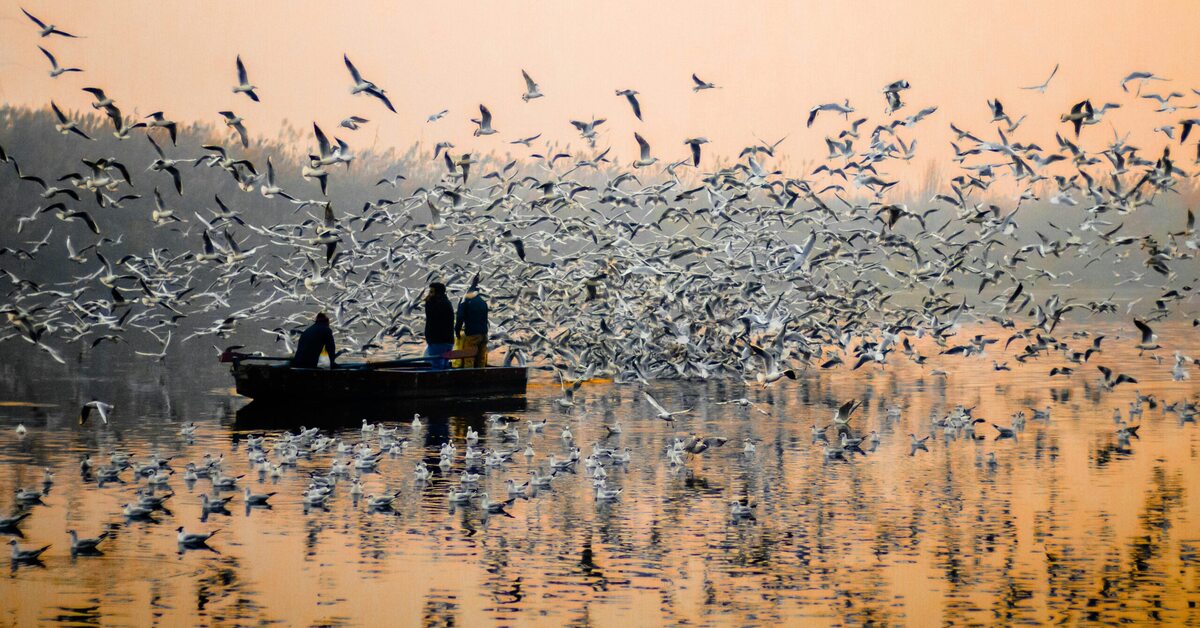
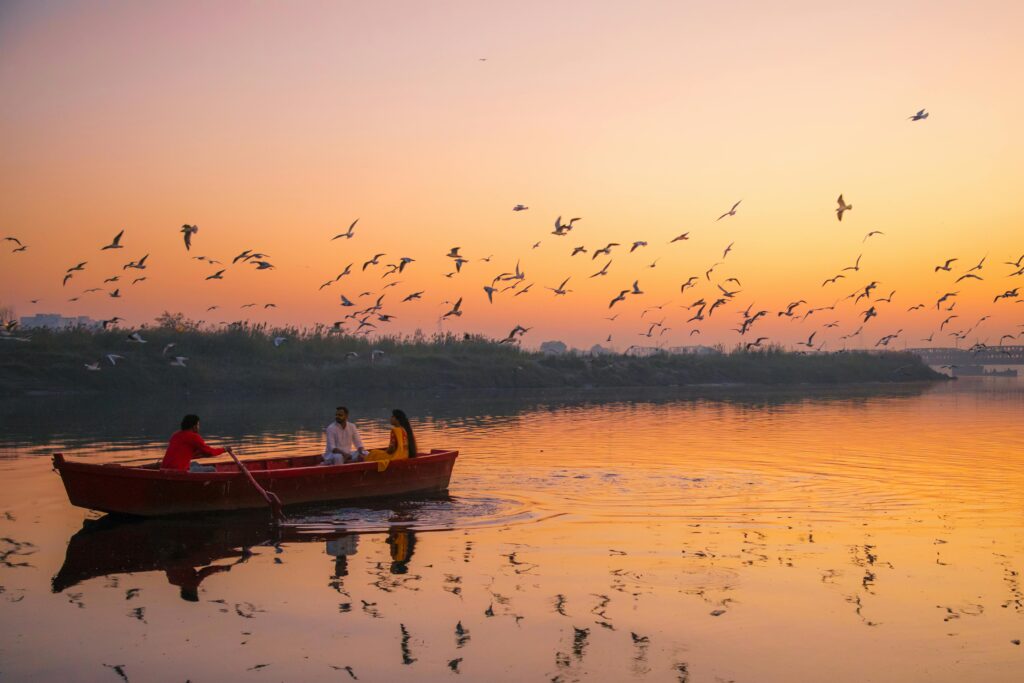
The afternoon Sangam visit also serves practical purposes. Fresh water can be collected, wet clothes from the morning can be washed, and the walk provides necessary physical activity. The sight of the holy rivers in daylight, with boats dotting the waters and thousands of pilgrims along the banks, reinforces the sacred nature of the pilgrimage.
Evening Observances: 4:00 PM – 9:00 PM
Evening Aarti (4:00 – 5:30 PM)
As the sun begins its descent, Kalpvasis gather again at the Sangam for the evening aarti (worship with lamps). This is one of the most beautiful and spiritually uplifting moments of the day. Hundreds of oil lamps float on leaf boats across the water’s surface, creating a mesmerizing sight as devotees offer prayers to Ganga Mata (Mother Ganges).
The collective chanting, ringing of bells, and synchronized movement of lamps create a powerful energy. Many devotees stand waist-deep in the water during aarti, hands folded in prayer, eyes closed in devotion. The ritual typically lasts 30-45 minutes but can extend longer on special days.
Evening Satsang and Bhajans (5:30 – 7:30 PM)
The evening hours bring another round of satsangs, often more devotional in nature than the morning discourses. Bhajan sessions dominate, with group singing of devotional songs that stir the heart and kindle devotion. Some of the most renowned bhajan singers and spiritual musicians perform during Magh Mela, drawing large crowds.
The communal singing creates a powerful sense of unity among Kalpvasis. Strangers become companions in devotion, voices merging in praise of the divine. These sessions often continue for hours, with devotees lost in the ecstasy of devotional music.
Simple Evening Meal (7:30 – 8:30 PM)
Dinner is even simpler than breakfast—often just chapati with dal (lentils) and a vegetable preparation, or khichdi (a simple rice and lentil dish). The meal is taken before or shortly after sunset, adhering to the principle of early, light dining that supports spiritual practice.
Eating together in community kitchens or small groups fosters camaraderie among Kalpvasis. Conversations during meals revolve around spiritual topics, experiences of the day, or stories from scriptures. Worldly gossip and negative speech are consciously avoided.
Night Routine: 8:30 PM – 3:00 AM
Evening Prayers and Reflection (8:30 – 9:30 PM)
Before retiring, Kalpvasis perform evening prayers at their personal altars. This includes offering the day’s experiences to the divine, expressing gratitude, and seeking blessings for continued discipline. Many review their spiritual practices for the day, honestly assessing where they maintained discipline and where they fell short.
Some devotees practice yoga nidra (conscious relaxation) or guided meditation before sleep. Others engage in final rounds of mantra japa, aiming to fall asleep with the divine name on their lips and in their hearts.
Early Sleep (9:30 PM – 3:00 AM)
Kalpvasis retire early, typically by 9:30 or 10:00 PM, to ensure adequate rest before the 3:00 AM awakening. Sleep is on simple bedding—a mat or thin mattress on the ground, with minimal blankets. The cold nights test endurance, but the fatigue from the day’s activities usually ensures sound sleep.
The camp gradually quiets as lamps are extinguished. Occasional sounds of distant bhajans, temple bells, or the night watch patrol punctuate the silence. Even in sleep, the atmosphere remains charged with spiritual purpose, the consciousness of thousands of seekers creating an invisible but palpable energy field.
Variations and Special Days
Ekadashi and Fasting Days
On Ekadashi (the eleventh day of each lunar fortnight) and other special fasting days, the routine intensifies. Many Kalpvasis observe complete or partial fasts, consuming only water, fruits, or milk. Extra time is devoted to prayer, meditation, and scripture reading.
Major Bathing Days
On auspicious days like Makar Sankranti, Mauni Amavasya, and Basant Panchami, the routine begins even earlier—sometimes at 2:00 AM—to secure a place at the Sangam during the most sacred hours. The crowds are enormous, and the spiritual fervor reaches its peak. These days might involve staying at the riverbank for extended periods, participating in multiple rounds of ceremonies.
Personal Modifications
While the basic structure remains constant, individual Kalpvasis may incorporate personal practices based on their spiritual tradition or guru’s guidance. Some maintain complete silence (mauna) certain days of the week. Others incorporate specific tantric practices, extended meditation sessions, or additional fasting protocols.
The Cumulative Effect
Day after day, this routine works its transformative magic. The initial discomfort of cold baths gradually diminishes as the body adapts. The mind, freed from worldly distractions, settles into deeper states of peace. Spiritual insights emerge not dramatically but subtly, like the gradual lightening of the sky before dawn.
By the end of the month, many Kalpvasis report feeling physically stronger despite the austere conditions, mentally clearer, and spiritually renewed. The routine that seemed daunting on day one becomes natural, even cherished. Some devotees find themselves reluctant to leave, having tasted a simplicity and purpose often missing from ordinary life.
Frequently Asked Questions
Q1: Is the pre-sunrise bath really mandatory every single day, even in severe weather?
Yes, the daily pre-sunrise bath at the Sangam is the cornerstone of Kalpvas and must be performed every day of the month without exception. This is not merely tradition but considered essential for the spiritual purification that Kalpvas promises. The cold water in January-February (often 10-15°C) is part of the tapasya (austerity) that strengthens willpower and burns karmic impurities. Even during rain, fog, or particularly cold days, Kalpvasis maintain this discipline. However, genuine medical emergencies or severe health conditions may warrant exceptions, though this should be discussed with spiritual guides. Some concessions are made for the very elderly or ill—they might bathe with slightly warmed water or at a less crowded time—but skipping the bath entirely breaks the continuity of Kalpvas. The physical challenge is intentional; it represents the devotee’s commitment to place spiritual goals above bodily comfort.
Q2: What do Kalpvasis do if they cannot attend a satsang or complete all daily practices?
The beauty of Kalpvas is its structured flexibility. While attending satsangs is highly encouraged for spiritual learning and inspiration, missing one due to health, fatigue, or other commitments is not catastrophic. The non-negotiable elements are the daily pre-sunrise bath, maintaining dietary restrictions, and dedicating time to prayer and meditation. Beyond these essentials, Kalpvasis have some autonomy in choosing which satsangs to attend, how long to meditate, and which scriptures to study. Quality matters more than rigid adherence to every activity. That said, consistent participation in the full routine yields greater benefits. If someone consistently skips major elements without valid reasons, they’re not truly observing Kalpvas in its intended spirit. The discipline itself is the practice—learning to show up daily despite discomfort, fatigue, or resistance is what creates transformation. Most experienced Kalpvasis advise beginners to commit fully to the routine for at least the first two weeks until it becomes natural.
Q3: How do Kalpvasis handle personal hygiene and laundry during the month?
Personal hygiene follows the principles of simplicity and resourcefulness. The daily morning bath at the Sangam serves as the primary cleansing ritual. For other hygiene needs, communal bathing facilities with basic showers or water pumps are available throughout the mela grounds, though these often involve cold water and limited privacy. Many Kalpvasis carry a bucket for sponge baths at their camps. Laundry is typically done by hand during afternoon visits to the Sangam or at designated washing areas with soap and water. Clothes are hung to dry in the camp area. Since Kalpvasis wear simple traditional clothing with minimal changes, laundry needs are reduced. Most carry 3-4 sets of clothes that are rotated and washed regularly. Biodegradable soaps are preferred to avoid polluting the sacred rivers. Dental hygiene is maintained with traditional methods like neem twigs or regular toothbrushes and paste. The key is maintaining cleanliness while embracing simplicity and avoiding excessive concern with appearance or comfort.
Q4: Can Kalpvasis use mobile phones or stay connected with family during the month?
This is a nuanced question where tradition meets modern reality. Traditional Kalpvas emphasizes complete renunciation of worldly attachments, which would include minimal or no contact with family and the outside world. The month is meant for turning inward, away from social connections and responsibilities. However, modern practitioners often maintain limited contact with family for practical and emotional reasons—elderly parents checking in with children, brief calls to ensure everything is well at home, or emergencies. Most spiritual guides advise keeping phone use minimal—perhaps a brief daily or alternate-day call rather than constant connectivity. Excessive phone use, social media browsing, watching videos, or conducting business defeats the purpose of Kalpvas. Many Kalpvasis leave phones switched off for most of the day, checking only once in the evening. Some ashrams and camps have policies restricting phone use in common areas. The ideal is to inform family beforehand that contact will be minimal, ensuring they don’t worry, then truly disconnect. The transformative power of Kalpvas partly comes from this disconnection from ordinary life and concerns.
Q5: What happens if a Kalpvasi needs to leave the mela grounds due to an emergency?
Traditional Kalpvas requires staying within the mela grounds for the entire month without leaving, as this continuous presence in the sacred space is considered essential for the practice’s full effect. However, life is unpredictable, and genuine emergencies do arise—serious illness of a family member, unexpected death, or critical business matters. In such cases, most spiritual authorities acknowledge that dharma (righteousness) sometimes requires responding to legitimate emergencies. Leaving for a true emergency, while unfortunate, doesn’t negate the devotion and discipline practiced up to that point. However, the Kalpvas would be considered incomplete, and the full spiritual benefits traditionally associated with the month-long observance may not be realized. Some believe that sincere intention and circumstances beyond control are taken into account by the divine. Minor inconveniences, family pressure for non-urgent matters, or discomfort with conditions should not be reasons to leave—part of Kalpvas is learning to prioritize spiritual commitments. Many experienced Kalpvasis recommend thorough preparation beforehand to minimize the likelihood of needing to leave, including arranging family affairs, ensuring good health, and securing work leave.